
Navigating the departure process from the Kingdom has undergone significant transformation as part of the Saudi Vision 2030 digital initiative. The introduction of the Labor Relation Initiative (LRI) has redefined the relationship between employers and expatriates, making the process of leaving the country more transparent and structured.
At Connect Resources, we ensure that businesses and international talent remain compliant with the evolving legal landscape. Understanding the new rules in Saudi Arabia for final exit is essential for a seamless departure that protects your legal standing and financial entitlements.
1. The Shift to Digital: Final Exit via Qiwa
One of the most significant final exit rules in Saudi Arabia is the centralization of the process through the Qiwa platform. Gone are the days of purely manual paperwork; the exit process is now tied directly to your digital employment contract.
-
Employee-Initiated Requests: Under specific conditions, employees can now initiate their own exit process through the platform after their contract expires or during specific grace periods.
-
Employer Notification: When a final exit is processed, the system automatically synchronizes with the Ministry of Interior and the Ministry of Human Resources and Social Development (MHRSD).
2. Key New Rules in Saudi Arabia for Final Exit
Recent updates have clarified several points regarding notice periods, financial obligations, and the status of the Iqama (residency permit).
A. Notice Periods and Contract Completion
To leave the Kingdom without legal complications, an employee must generally complete their contract term or serve the agreed-upon notice period (typically 60 days for indefinite contracts). Leaving without serving this period can lead to a “Labor Dispute” filing on the Qiwa portal.
B. The 60-Day Validity Rule
Once the Final Exit Visa (Khurooj Nihai) is issued, the expatriate has exactly 60 days to leave the country. Failure to depart within this window results in a fine (usually SAR 1,000) and the requirement to cancel and re-issue the visa.
C. Dependent Fees and Outstanding Dues
A Final Exit Visa cannot be issued if there are outstanding “Dependent Fees” or unpaid traffic violations registered against the primary expat or their family members.
3. Mandatory Requirements for a Final Exit Visa
To ensure a successful application, the following conditions must be met:
-
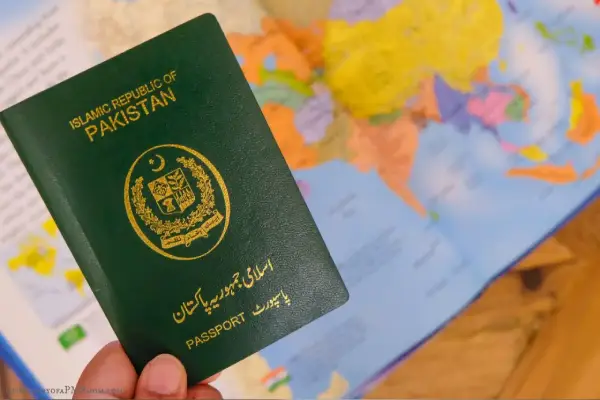
Valid Passport: The passport must have at least 60 days of validity remaining.
-
No Vehicles Registered: All vehicles owned by the expatriate must be sold or transferred out of their name.
-
No Active Violations: All traffic fines must be paid in full.
-
Presence in the Kingdom: The individual must be physically inside Saudi Arabia at the time the visa is issued.
4. End-of-Service Benefits (ESB)
A critical part of the final exit rules in Saudi Arabia is the settlement of the End-of-Service Benefit. According to Saudi Labor Law:
-
If the employer initiates the exit, the employee is entitled to full ESB.
-
If the employee resigns and leaves, the ESB amount depends on the years of service (usually 1/3 of the benefit after 2 years, 2/3 after 5 years, and full after 10 years).
5. What Happens After Issuance?
Once the visa is stamped:
-
Iqama Status: The Iqama is effectively cancelled, though it remains in your possession until you reach the airport.
-
Bank Accounts: It is highly recommended to settle all bank loans and close accounts before the final departure, as accessing Saudi funds from abroad can become difficult once the residency status is revoked.
-
The “No-Return” Myth: Under the new rules, if a person leaves on a Final Exit Visa legally (following the contract and notice period), they can return to the Kingdom on a new work visa immediately, provided they have a new employer.
6. How Connect Resources Facilitates the Transition
Managing the departure of employees requires precise administrative handling to avoid fines and labor claims. Connect Resources provides specialized support for:
-
PRO Services: Managing the final cancellation of labor files and immigration records.
-
Settlement Calculation: Ensuring ESB and final salaries are calculated according to the latest Labor Law updates.
-
Compliance Audits: Verifying that all digital records on Qiwa and GOSI are correctly closed.
7. Conclusion: Departing with Confidence
The new rules in Saudi Arabia for final exit are designed to provide a fair and regulated pathway for expatriates to conclude their journey in the Kingdom. By following the digital protocols on Qiwa and ensuring all financial obligations are met, professionals can ensure their departure is as successful as their career in the Emirates.
Need Expert HR or PRO Support in the Kingdom?
Whether you are an employer managing staff departures or a founder relocating your team, Connect Resources provides the legal expertise you need.
Consult Our Saudi Labor Law Experts Today
FAQ: Final Exit in Saudi Arabia
Q1: Can an employer issue a Final Exit without my consent? If a contract is terminated for valid reasons under the Labor Law, or if the contract expires, the employer has the right to issue a Final Exit. However, any disputes regarding unpaid dues can be raised through the MHRSD “Amneh” service.
Q2: Can I get a Final Exit if my Iqama is expired? Under the latest rules, an employer can often process a Final Exit even if the Iqama is expired, provided they pay the accumulated fines and the renewal fees for the period of the delay.
Q3: Does the Final Exit Visa cost anything? The visa itself is free of charge if issued while the Iqama is valid. However, if there are fines or expired documents, those costs must be settled first.