
The landscape of residency and employment in the Kingdom of Saudi Arabia has officially entered its most sophisticated phase. In 2026, the new iqama rules in Saudi Arabia have shifted the focus toward a “Long-Life” digital identity, skill-based labor classification, and automated enforcement. For businesses, compliance is no longer a periodic check but a continuous digital requirement.
At Connect Resources, we lead the way in workforce solutions, ensuring that our clients are always ahead of legislative changes. This guide explores the fundamental updates to the Iqama system that every employer and expatriate must know this year.
1. The “Long-Life” Resident ID: 5-Year Physical Cards
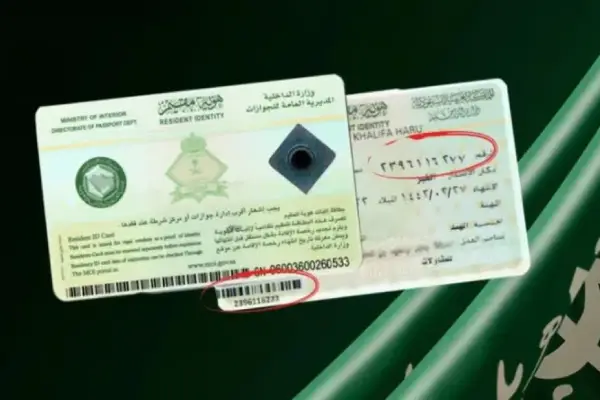
One of the most practical new iqama rules in Saudi Arabia for 2026 is the implementation of the 5-year physical Resident ID.
-
The Change: Employers no longer need to print and distribute new plastic cards every year.
-
The Digital Reality: While the physical card is valid for 5 years, the residency status must still be renewed annually via the Absher or Muqeem platforms.
-
Benefit: This reduces administrative logistics and plastic waste, allowing HR departments to focus on digital-only renewals that update the Jawazat (Passports) database in real-time.
2. Skill-Based Classification System (SSCO)
As of 2026, the traditional “professional/non-professional” distinction has been replaced by a rigorous Skill-Based Classification System aligned with the Saudi Standard Classification of Occupations (SSCO).
| Tier | Category | Requirements |
| Tier 1 | High-Skilled (Doctors, Engineers) | Degree + 5 years exp. + Salary SAR 15k+ |
| Tier 2 | Skilled (Technicians, Supervisors) | Vocational Cert. + 2 years exp. + Salary SAR 7k-15k |
| Tier 3 | Basic (Manual Labor, Entry-level) | Accreditation + Age cap of 60 years |
This system ensures that the new iqama rules in Saudi Arabia prioritize specialized talent, directly impacting work permit fees and visa approvals for various sectors.
3. Strict New Exit Visa Regulations
Immigration control has tightened significantly regarding departure. Under the latest updates:
-
30-Day Rule: To apply for a Final Exit Visa, the employee’s Iqama must have at least 30 days of validity remaining. If the validity is less, a renewal is mandatory before the exit can be processed.
-
Exit Duration: For permits with more than 60 days of validity, the final exit visa is issued for exactly 60 days. If the permit has 30–60 days left, the visa duration will match the remaining residency period.
4. Contractual Mobility and the 60-Day Grace Period
The new iqama rules in Saudi Arabia reinforce the “Contractual Mobility” introduced by the Labor Relation Initiative (LRI).
-
Automatic Notifications: Employees now receive automated alerts via Qiwa when their fixed-term contract is near expiry.
-
The 60-Day Window: Upon contract expiry or termination, workers are granted a 60-day grace period to either secure a new sponsor, renew their contract, or exit the Kingdom.
-
Self-Deportation Platform: A new digital feature allows irregular residents to resolve their status or initiate “self-deportation” without the traditional amnesty hurdles, accelerating resolutions for immigration violations.
5. Enhanced Enforcement: Monthly Reconciliations
In 2026, the Ministry of Interior has sharpened its enforcement tools. Employers are now legally required to conduct monthly reconciliations of their workforce’s status.
-
HR Audits: Systems must verify that job roles on the Iqama match the actual work being performed.
-
Secondary Liability: Employers face severe fines not just for employing irregular workers, but for “facilitating” non-compliance through poor record-keeping.
-
Fines: Late renewal penalties remain at SAR 500 for the first instance, doubling for the second, with potential deportation for the third.
6. Property Ownership via Iqama Number
A major 2026 milestone is the integration of the Iqama with the Real Estate Ownership System.
-
Direct Application: Residents can now apply to own residential, commercial, or industrial property directly through the REGA portal using their Iqama number.
-
Eligibility: The system automatically verifies residency status and compliance before allowing the transaction to proceed, marking a massive leap in expat rights and investment potential.
7. How Connect Resources Saudi Ensures Your Compliance
Navigating the new iqama rules in Saudi Arabia requires a partner who understands the digital ecosystem of Qiwa, Absher, and Muqeem. Connect Resources provides:
-
Automated Renewal Management: Our systems track your entire workforce, ensuring that “Stop Points” are triggered before any Iqama expires.
-
SSCO Alignment: We assist in re-classifying your team’s professions to match the new 2026 skill tiers, preventing visa rejections.
-
EOR Solutions: By acting as your Employer of Record, we take full legal responsibility for sponsorship, immigration, and labor law compliance.
-
WPS & GOSI Integration: We ensure that every Iqama renewal is backed by perfect records in the Wage Protection System.
8. Conclusion: The Future of Residency is Transparent
The new iqama rules in Saudi Arabia for 2026 represent a clear vision: a market where rights are protected by contracts and status is managed by technology. By embracing these changes, businesses can foster a more stable, professional, and law-abiding workforce.
Is your business ready for the 2026 Iqama updates?
Don’t risk fines or operational freezes due to compliance errors. Connect Resources is your expert partner in the Kingdom. From digital renewals to professional re-classification, we handle the complexity so you can focus on growth.
FAQ: New Rules in KSA
Q1: Do I need to carry my physical 5-year Iqama card at all times?
Yes, it remains your primary legal ID. However, your digital ID on the Absher Individuals app is now equally valid for most government and police checks within the Kingdom.
Q2: Can I transfer my sponsorship if my Iqama has already expired?
In 2026, the system allows for transfer even if the Iqama is expired, provided the new employer pays the late renewal fines and the transfer is initiated via Qiwa.
Q3: Is medical insurance required for the 5-year card?
The card is physical for 5 years, but the residency is renewed every 12 months (or quarterly). For each renewal, a valid medical insurance policy and a medical check (if required by profession) must be uploaded to the system.